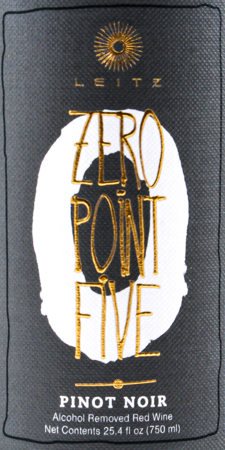
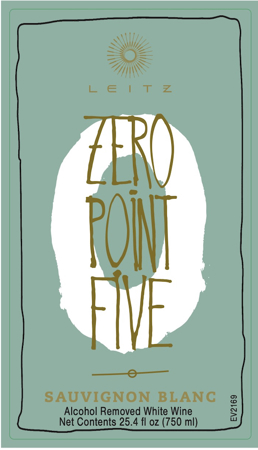
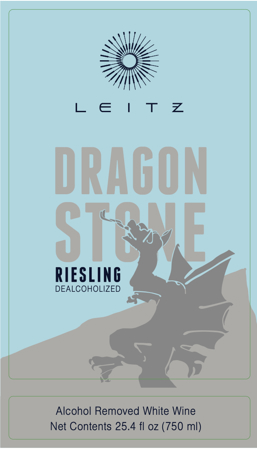
Leitz Zero
Overview
- Johannes Leitz treats non-alcoholic wine like real wine—starting with high-quality Rheingau grapes and proper base wines, not concentrates or flavor add-ons.
- Alcohol is removed via low-temperature vacuum distillation, protecting structure, texture, and site-driven character that’s usually lost in NA wine. This technique preserves terroir
- Leitz proves terroir still matters without alcohol, bridging German heritage and modern drinking habits so more people can share in the ritual of wine.

Leitz Zero Gallery
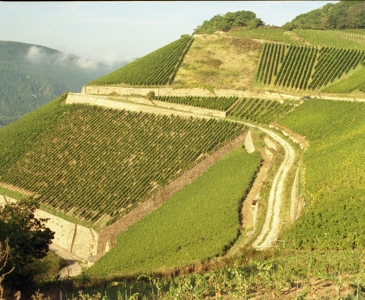
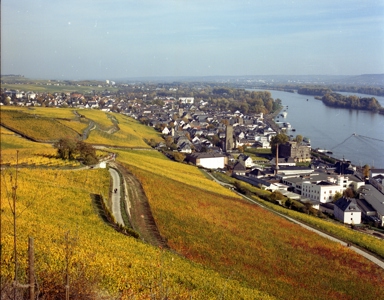
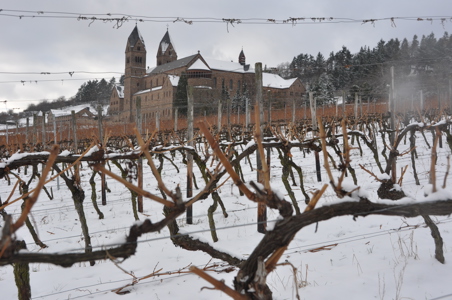
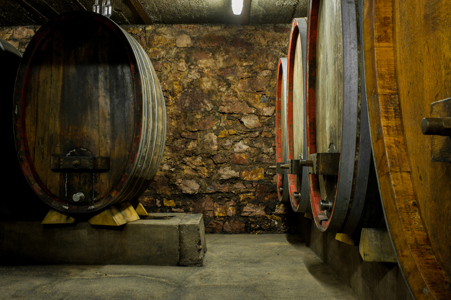
Based in the Rheingau, Johannes Leitz has spent his life advancing the reputation of German wine through exacting, site-driven winemaking. A devoted advocate for Riesling and the steep, quartzite-rich vineyards of his home region, Leitz is a true traditionalist—grounded in place, cultural inheritance, and a deep respect for what wine represents beyond the glass.
Wine, First
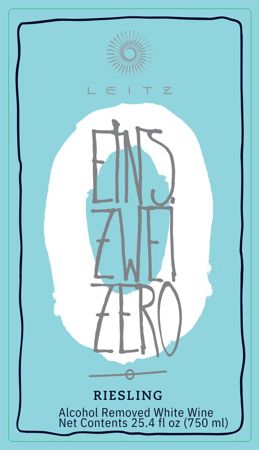
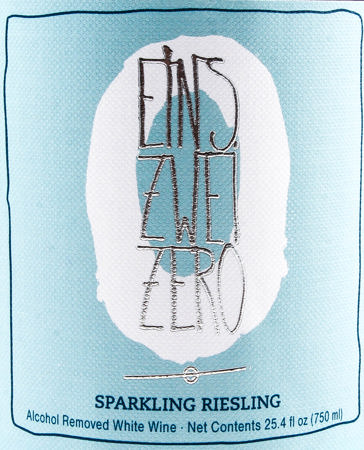
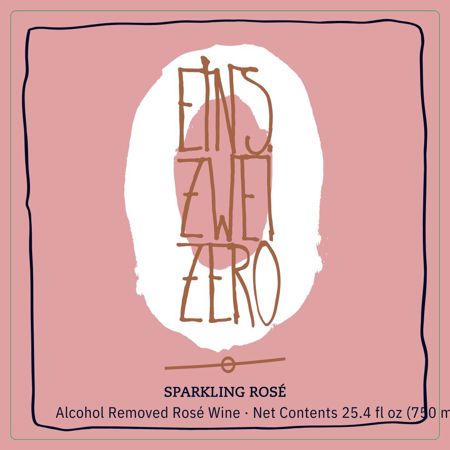
The Eins-Zwei-Zero project began with a simple but difficult question—one Johannes Leitz faced personally as he sought to reduce alcohol in his own life: how to make a non-alcoholic wine that still feels like wine. For Leitz, that meant starting where wine always starts—with properly grown grapes and base wines made with the same care as his traditional bottlings. Rather than relying on concentrates or added flavor, his approach insists on vineyard quality, thoughtful vinification, and restraint at every step.
Precision Matters
Leitz removes alcohol using vacuum distillation, a time-honored, low-temperature process that gently extracts ethanol without “cooking” the wine. Relatively easy to take out of beer, alcohol plays a far more significant role in wine’s structure, texture, and flavor, which is why its removal is such a formidable technical obstacle.
Grounded in Place
Walking the vineyards with Johannes, what stands out most is his energy and sincerity. He is relentless in his curiosity, evangelical in his enthusiasm, and unwavering in his belief that German terroir matters—even when alcohol is not the defining feature. By taking non-alcoholic wine seriously, he is not rejecting tradition but, in true Leitz fashion, extending it—ensuring that more people can participate in the ritual and pleasure of drinking wine. In a moment when drinking culture is evolving, Leitz bridges Rheingau tradition and modern sensibilities.